When PG&E goes dark, your house doesn’t have to.
Whole-house standby generators for Grass Valley, Nevada City and the western Nevada County foothills, with honest local pricing, a straight answer on how long installs actually take, and a short set of questions that helps a licensed installer understand the job. No call center, no national network.
Cost and wait figures as published by the leading local Generac dealer, November 2026.
This site is a lead service. It connects you with a licensed contractor who does the installation and service. The site operator is not the installer.
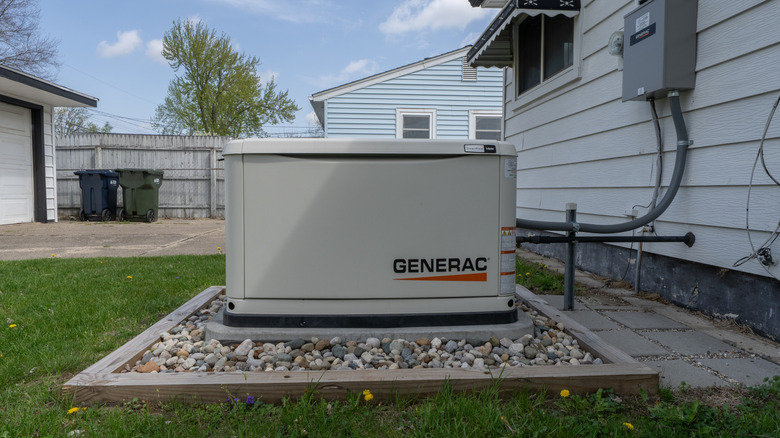
Quick answers — generator facts for Grass Valley & Nevada County
- How much does a whole-house generator cost in Grass Valley, CA?
- $13,000 to $16,000 installed on average, per the area’s leading Generac dealer. Size, fuel run, panel condition and placement move the final quote.
- How long is the install wait?
- 8 to 10 weeks from prepayment at that same booked-out dealer, per its published timeline. Booking before PG&E shutoff season matters.
- What size generator does a typical home need?
- Essentials only, about 10–14 kW. Most of the house, about 18–22 kW. Whole house with AC and a well pump, about 22–26 kW. See the sizing guide.
- What fuel do standby generators use here?
- Mostly propane. Much of Nevada County has no natural gas service, so the generator ties into the home’s propane tank, or a tank set is added to the quote.
- Will it run a well pump, fridge and medical devices?
- Yes, when it is sized for them. Well pump startup draw is one of the largest loads in a foothill home and is checked at the in-home estimate.
- How often does a standby generator need service?
- Once a year, oil, filters, plugs, battery check and a test run under load. Yearly service is what decides whether it starts during a shutoff.
- Which areas are served?
- Grass Valley, Nevada City, Penn Valley, Lake Wildwood, Alta Sierra and the rest of western Nevada County, California.
- Which brands are installed locally?
- Generac is the most common. Kohler and Cummins standby generators are also installed and serviced in this market.
Built for shutoff country
Nevada County sits in PG&E public safety power shutoff territory, and a lot of the housing here runs on well pumps, propane and long driveways at the end of the line. That combination is exactly what a standby generator is for.
Outages here are planned, and long
In the October 2026 shutoff scope, about 2,137 PG&E customers in Nevada County were in line to lose power, and on one storm day, November 18, outages here peaked at 5,019 customers out. A portable unit and an extension cord do not cover a multi-day shutoff well.
30.4% of the county is 65 or older
That is the county’s age profile, and it is why outages here are more than an inconvenience. Refrigerated medication, medical devices, heat and a working phone line all ride on the same power feed.
No power often means no water
Outside the town water systems, homes here run on wells. When the power goes, the pump stops, and the taps, toilets and pressure tank go with it. A properly sized standby unit keeps the pump on the list of things that stay live.
County age figure and PG&E shutoff scope figures are from reporting carried in this project’s November 2026 research: 30.4% of Nevada County is 65 or older; about 2,137 customers were in the October 2026 shutoff scope, and outages peaked at 5,019 customers out on November 18. They are context for why demand exists here, not a promise about any single outage.
A few questions, then request an estimate
Four quick questions about your home help a licensed installer understand the job. The only sourced cost figure on this page is the $13,000 to $16,000 local average published by the leading Generac dealer. A real quote still needs an in-home look at your panel, fuel and placement.
1. Where is the house?
2. How big is the home?
3. What should stay on in an outage?
4. What fuel is at the house?
Request a free estimate
Request a free estimate
$13,000 – $16,000
The published local average, from the leading Generac dealer serving this area.
That average is a planning anchor, not a personalized quote. Size, what you need to keep on, fuel, panel work and placement can move a real quote either way. The next step is a free in-home estimate with a licensed installer.
What a whole-house generator costs here
The leading Generac dealer serving this area puts its average install at $13,000 to $16,000. That is the honest anchor. Anyone quoting far under it is usually leaving something out of the scope.
| What drives the price | Effect |
|---|---|
| Generator size Essentials-only coverage takes a smaller unit than whole-house coverage with AC and a well pump. | Largest factor |
| Fuel run Distance from the unit to your propane tank or gas meter, and whether a tank needs to be set. | Varies by site |
| Electrical panel Older panels in foothill homes sometimes need an upgrade before a transfer switch can go in. | Can add cost |
| Placement and trenching Pad, placement away from windows, and any trenching across the lot. | Varies by site |
| Permits and inspection Installs here are permitted work. A proper quote includes permits and inspection as a real line item, not paperwork to skip. | Included in a proper quote |
Average range source, the leading local Generac dealer’s own published figures (November 23, 2026). Individual quotes vary by site, which is why this page shows that published average and not a personalized price.
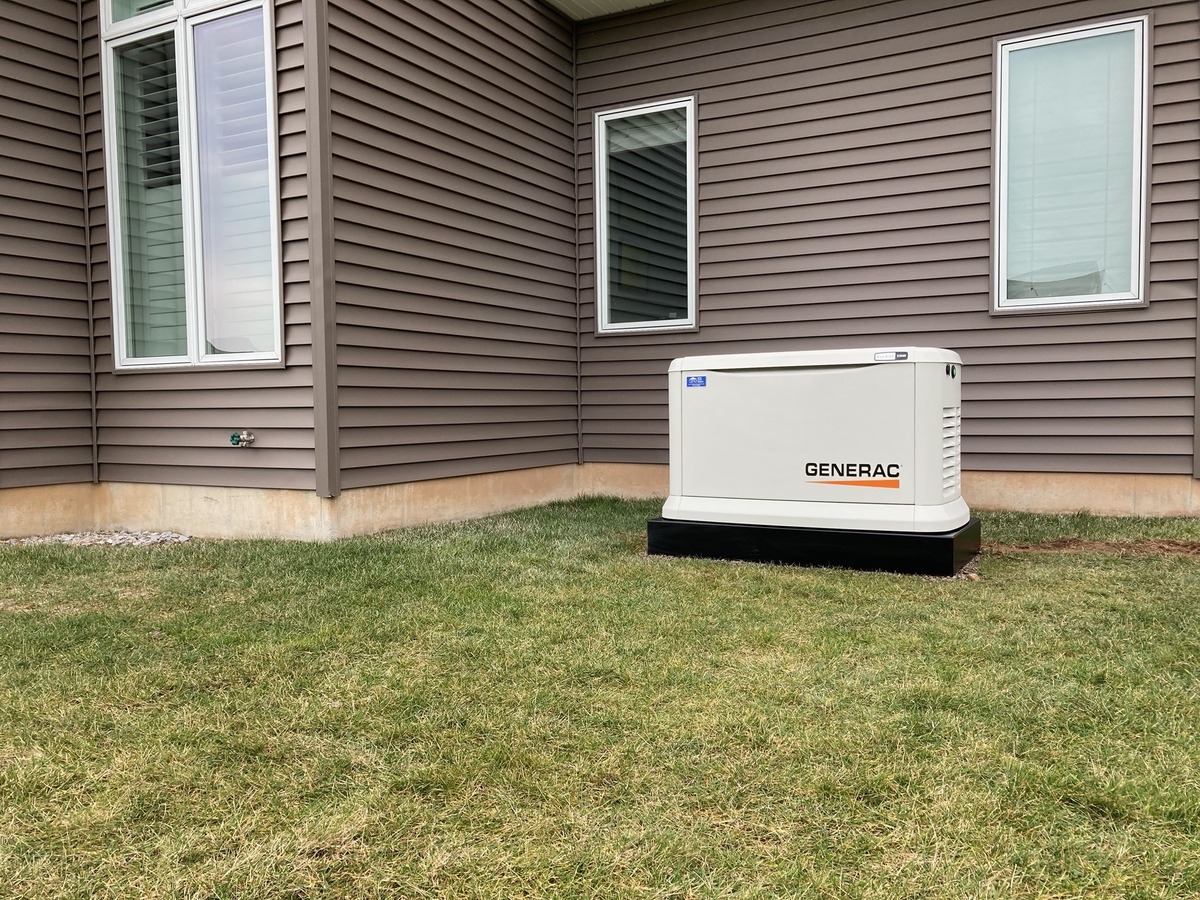
What size generator do I need?
“What size generator do I need” is one of the most searched generator questions in the country, and the honest answer is it depends on what has to stay on, not just square footage. Use this general guide to plan, then confirm at the in-home estimate, where your panel, well pump and AC are actually measured.
| What stays on | Typical size | Best for |
|---|---|---|
| Essentials only Fridge, lights, outlets, furnace fan, phone and internet | 10–14 kW | Smaller homes, tight budgets |
| Most of the house Essentials plus well pump, kitchen, laundry and one AC unit | 18–22 kW | Most Nevada County homes |
| Whole house Everything, including AC, electric range, dryer and well pump, no load juggling | 22–26 kW | Larger homes, medical needs, part-time residences |
General industry sizing guidance for planning only. Well pump startup surge, AC tonnage and electric heat can push a home up a size, which is why final sizing happens in person, not from a chart. Undersizing is the most common and most expensive generator mistake.
The local default
The brand most Grass Valley and Nevada City dealers lead with and the one most homes here already run, which also makes parts and service easiest to find locally.
The alternative pick
Also installed in this market. Some homeowners prefer Kohler for its engine and enclosure reputation. Availability and wait times vary by dealer.
Scarcer locally
Installed here too. Service access varies, and is worth asking about if you already have a Cummins unit or are considering one.
Getting ready for the next PG&E shutoff
A PG&E Public Safety Power Shutoff (PSPS) in Nevada County can last days, and fire-weather shutoffs tend to land with little notice. A standby generator covers the power side automatically. These are the things around it that still need a human.
- Propane topped up before fire season. A standby unit only runs as long as its fuel lasts. A multi-day shutoff at half load can burn through a small tank faster than most people expect.
- Yearly service done, not overdue. Oil, filters, plugs and battery checked, and a test run under load completed before shutoff season, not during it.
- Well pump on the covered list. Confirm at sizing time that the pump is on a circuit the generator actually feeds, so water keeps flowing when the grid drops.
- Medical devices planned for. Refrigerated medication, oxygen and powered medical equipment are the loads to name first at the in-home estimate, they set the sizing floor.
- Weekly self-test left enabled. Standby units exercise themselves weekly. A failed self-test warning is an early service call, not something to clear and forget.
- Clearance kept clear. Brush, stored firewood and snow kept away from the unit and its exhaust, especially in wooded areas like Alta Sierra and Penn Valley.
Installation, and the wait nobody advertises
Here is the part the big dealer’s own site states plainly, installs currently run 8 to 10 weeks out from prepayment. If a shutoff or storm season is coming, that wait is the whole ballgame, and it is the reason a smaller local option with a shorter line matters.
In-home estimate
A look at your panel, fuel, well and placement, then a written quote with the full scope, permits included.
Sizing and permits
The unit is sized to what you actually need to keep on, and the permit paperwork goes in before any work starts.
Install day
Pad, unit, transfer switch, fuel hookup and startup. Most residential installs are a focused job once the equipment is on site.
Test and handover
A simulated outage proves the transfer works, and you get the maintenance schedule in writing before anyone leaves.
Wait time source, the leading local dealer’s published install timeline (November 2026). This page does not promise a shorter wait than that published 8 to 10 week figure.
Service and maintenance
Every installed generator needs yearly maintenance. A licensed installer can handle annual service, repairs when a unit fails its self-test, and a standing yearly plan. Read more about generator service and maintenance.
Annual maintenance
Oil, filters, plugs, battery check and a full test run under load, done on a schedule instead of after a failure. This is the visit that decides whether the unit starts during the shutoff that matters.
When it does not start
A standby unit that fails its weekly self-test is telling you something. Service covers the brands homeowners here actually have installed, Generac first among them, with Kohler and Cummins units also present in this market.
Set it and forget it
A yearly plan turns maintenance into a standing appointment. Plan pricing is set by the servicing installer. This page does not list a plan price.
Brands named are the ones commonly installed and serviced in this market: Generac first among them, with Kohler and Cummins units also present.
Towns this site covers
Grass Valley is the bigger town. Nevada City is three miles away. This site also covers the communities around them: Penn Valley, Lake Wildwood and Alta Sierra. Each town now has its own page.

Grass Valley, population 14,016
The 2020 census counted 14,016 people in Grass Valley against 3,152 in Nevada City, and the dealers, supply houses and shopping all sit here. Older housing stock on the edges of town often means older panels, propane and wells.
Request a Grass Valley estimate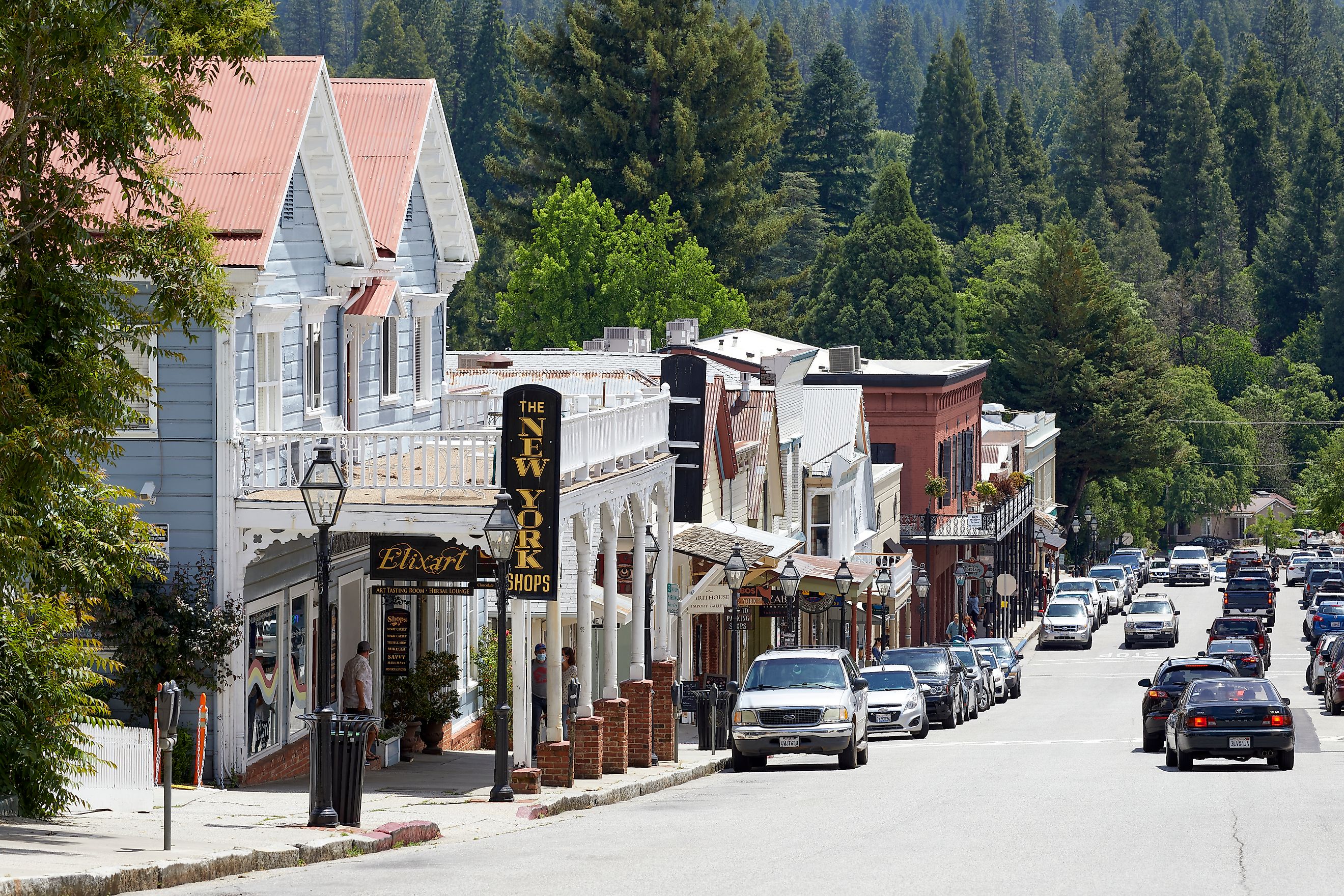
Nevada City, population 3,152
Smaller, older, and full of historic homes where a generator install has to respect tight lots and older electrical work.
Open the Nevada City page for local context, then request a free estimate.
Nevada City generatorsPenn Valley
Rural residential country west of Grass Valley, where wells, propane and acreage are the norm and an outage takes the water with it. Homes out here are exactly the whole-house use case, pump included.
Penn Valley generatorsWhat matters most here
Sizing for the well pump, a propane plan that lasts through a multi-day shutoff, and placement that works on a sloped or wooded lot. All three get settled at the in-home estimate, not guessed over the phone.
Lake Wildwood
A gated community where a lot of owners are retired or part-time residents. For a house that sits empty for stretches, a standby unit with a yearly service plan is protection that does not need anyone home to start it.
Lake Wildwood generatorsWhat matters most here
Automatic startup, remote monitoring so an empty house still reports in, and maintenance handled on schedule whether the owner is in town or not.
Alta Sierra
Wooded, hilly and south of Grass Valley toward the county line, with the fire-weather exposure that drives shutoffs in the first place. When PSPS hits, these ridges are why.
Alta Sierra generatorsWhat matters most here
Runtime through a multi-day shutoff, defensible placement clear of brush, and a service plan that keeps the unit ready through fire season, not just winter storms.
Populations are 2020 census counts. Town character notes for Penn Valley, Lake Wildwood and Alta Sierra are qualitative and carry no population figures, because none were published in the source research for those communities.
Straight answers
How much does a whole-house generator cost in Grass Valley?
How long does installation take right now?
Will it run my well pump?
What fuel does it use?
How often does it need service?
What size generator do I need for my house?
Which brands are installed around here?
Request a free in-home estimate
Leave your details and what you want to keep running. Your request is shared with a licensed installer, who will follow up to set up a free in-home estimate.